Restoring your gut flora: How to support your microbiome after antibiotics and stress
Poor eating habits, as well as factors such as antibiotics, stress or gastrointestinal infections, can disrupt the delicate balance of your gut flora. It can take several weeks for the microbiome to recover. Find out how you can actively support your gut in restoring its natural balance, and discover why a health retreat is the perfect place to do so.
Health tips

18 August 2026

6 Min.
The microbiome and its functions
Our gut is home to trillions of microorganisms. Together, these microorganisms form the microbiome: a complex ecosystem that performs numerous tasks in the body. It supports digestion, produces vitamins, protects against pathogens and influences the immune system. Even metabolism and mental health are closely linked to gut flora.
When this finely tuned system falls out of balance, consequences often follow. These can include bloating, digestive issues such as diarrhoea or constipation, and a general feeling of malaise, as well as increased susceptibility to infections or a lack of energy.
Dysbiosis: Disturbed gut flora following antibiotic use and stress
Antibiotics are one of the most common causes of changes to gut flora. While they effectively combat harmful bacteria, they do not distinguish between beneficial and harmful microorganisms. Consequently, the diversity of gut bacteria often decreases. It takes time for the body to restore this natural balance and rebuild the gut flora after taking antibiotics.
Constant stress can also affect the gut. The brain and digestive system are in constant communication via the so-called gut-brain axis. Chronic stress can alter gut motility, intestinal permeability, and microbiome composition. It is no coincidence that many people first experience stress in their gut.
Additional stressors, such as gastrointestinal infections, an imbalanced diet or lack of sleep, can exacerbate this process further.
What is the most effective way to rebuild gut flora?
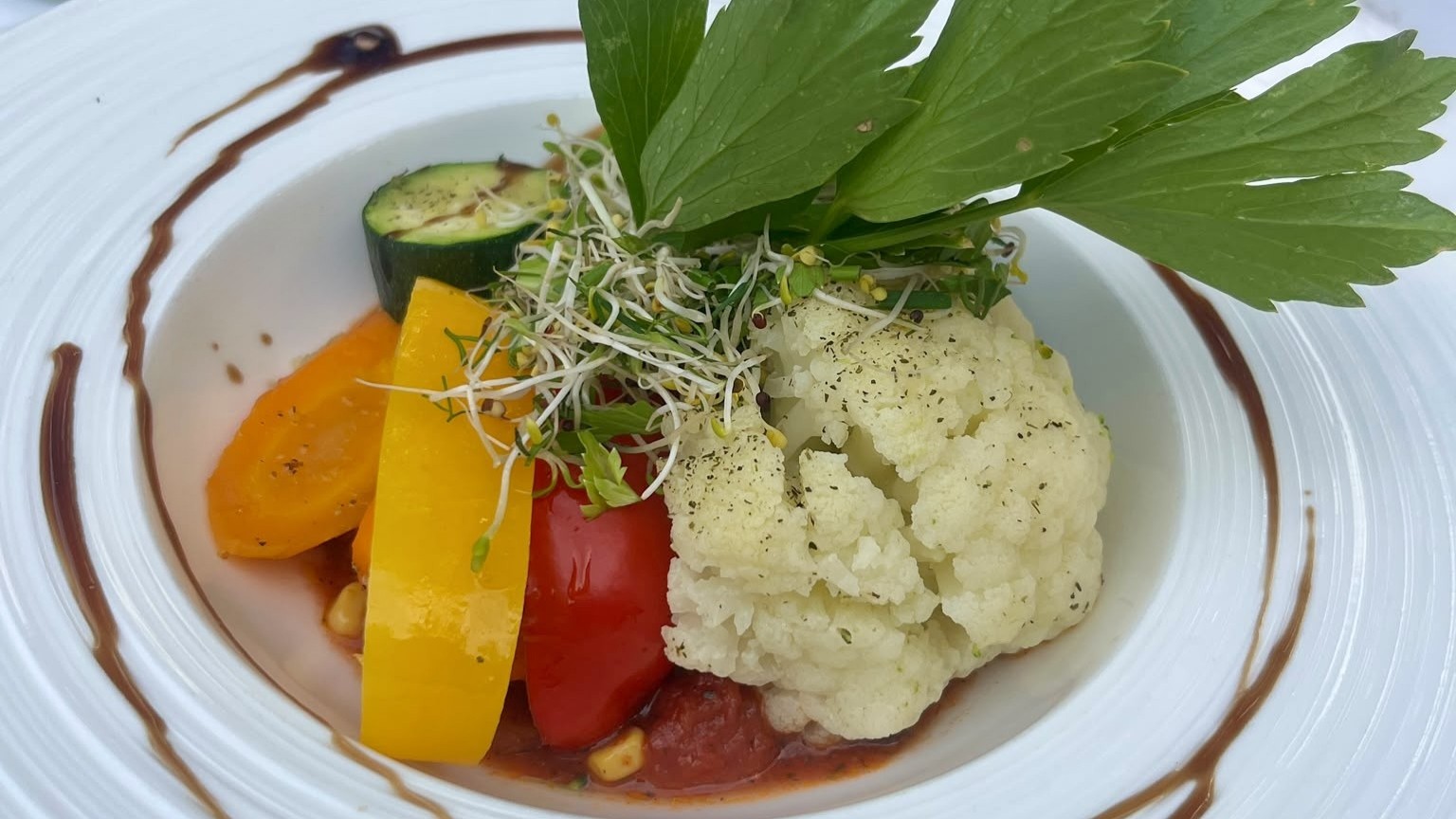
The best way to rebuild gut flora is not a single pill or a combination of supplements. The microbiome develops gradually in response to diet and lifestyle. A varied Mediterranean diet containing plenty of vegetables, legumes, whole grains, nuts, seeds and high-quality plant-based fats provides a good foundation. The fibre they contain serves as food for gut bacteria, promoting a diverse composition of gut flora.
Prebiotics and probiotics play a special role in rebuilding gut flora. Prebiotic fibre, found in foods such as onions, leeks, garlic, chicory and oats, is utilised by certain gut bacteria, promoting their growth. One such form is resistant starch. This is formed when cooked potatoes, rice or pasta cool down completely, reaching the large intestine largely undigested. It is then broken down there. This process produces the short-chain fatty acid butyrate, which provides energy to the cells of the intestinal lining and supports their protective function. Probiotic foods such as plain yoghurt, kefir or fermented vegetables contain live microorganisms and can be a valuable addition to your diet.
More unfavourable are highly processed foods containing large amounts of sugar, sweeteners and additives. Certain emulsifiers, in particular, are suspected of having a negative effect on the intestinal barrier and microbiome when consumed in large quantities. Alcohol and nicotine also strain gut health and should be avoided as much as possible.
In addition to food choices, mealtime routines are also important. Taking regular breaks between meals gives the digestive system time to recover and supports the gut's natural movement and cleansing processes. Constant snacking is therefore not recommended. It is also important to take time over your meals, taking the time to chew thoroughly. This is because digestion begins in the mouth, where food is mechanically broken down and mixed with saliva. This makes it easier for the stomach and intestines to process the food further.
A gut-friendly diet should be supplemented with sufficient sleep, regular exercise, and mindful rest periods. After taking medication or during a long, stressful period, it takes time for the microbiome to become stable and diverse again, so patience is also part of the process. The microbiome does not change within a few days. The effects of new dietary habits only become apparent when they are permanently integrated into everyday life.
A health retreat can facilitate a fresh start
With the demands of work, family and other obligations, it can be difficult to consistently pay attention to one's own habits. A consciously planned health retreat offers the chance to escape everyday life for a few days and experiment with new routines at your own pace. This makes it easier to integrate changes into your daily schedule without time pressure, allowing you to take new inspiration home with you. At Menschels Vitalresort, we support you on this journey by providing medical advice, varied organic vitality cuisine and an individually tailored activity and relaxation programme.
Depending on your starting point, therapeutic fasting is also a good way to give your metabolism and digestive system a break. The subsequent reintroduction of food provides an excellent opportunity to consciously adjust your diet in a gut-friendly way. It is also an effective way to restore gut flora, for example after periods of stress or after taking antibiotics.
Our recommendation: enhance your stay with a vitality profile. The insights gained from this form the basis for personalised recommendations regarding nutrition and exercise. You can find detailed information on this and other additional medical services in our brochure, which is available to download from our website.
Have you seen our health tips in video format yet?
These short video clips will teach you how to strengthen your microbiome.
💡Five simple tips for building a healthy gut microbiome
Eat a fiber-rich diet
Vegetables, legumes, sourdough bread, whole grain products, as well as nuts and seeds provide valuable nourishment for gut bacteria. Aim for about 30 grams of fibre per day.
Incorporate fermented foods
Natural yogurt, kefir, sauerkraut, or kimchi enrich your diet and support microbiome diversity.
Stay well hydrated
Drinking 1.5 to 2 litres of water or unsweetened herbal tea a day can support digestion and help fibre work effectively.
Get moving every day
Just 30 minutes of walking or light exercise promotes digestion and positively affect the gut-brain connection.
Consciously reduce stress
Getting 7 to 9 hours of sleep and practising mindful relaxation through short breaks helps the gut regain its natural balance.

More articles from our blog

Health tips
How a healthy diet, stress reduction and targeted development of intestinal flora can help to alleviate irritable bowel symptoms in the long term.