Sleep disorders: solutions for sleep problems.
Restless nights involving long periods of lying awake or frequent waking can negatively affect energy levels, concentration and resilience. If sleep problems persist over a longer period, it is worth taking a closer look at the causes. Only by recognising the triggers and taking targeted action can you stabilise your sleep and noticeably improve your night-time recovery.
Health tips

4 May 2026

6 Min.
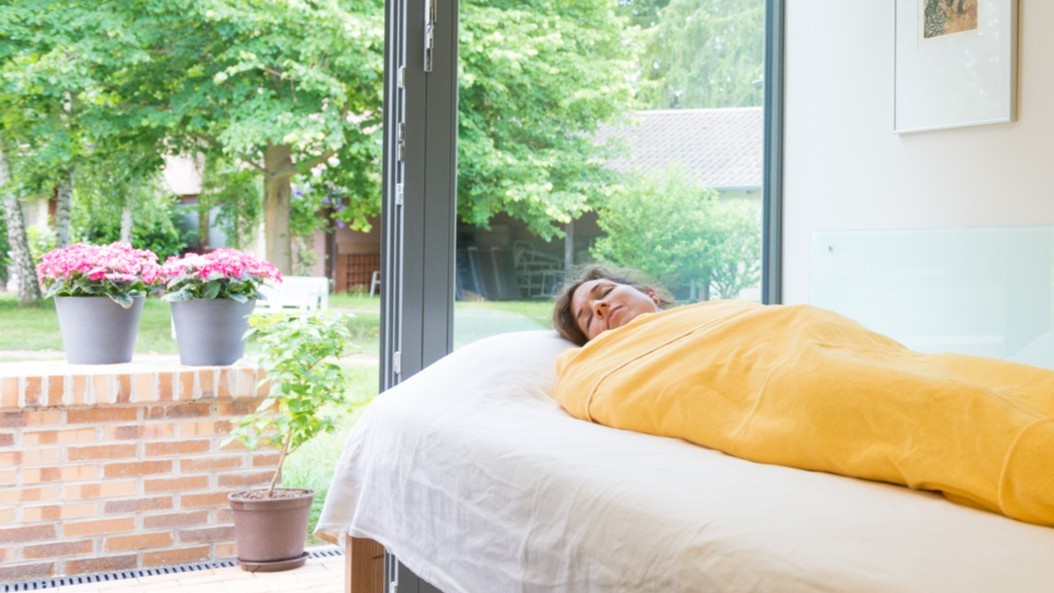
When the body does not rest - causes of sleep problems
Sleep develops from the interplay of the nervous system, hormonal balance and external influences. If this system is out of balance, sleep disorders often occur, making it increasingly difficult to fall asleep or stay asleep. There are often several factors acting at the same time. Constant stress and mental tension keep the nervous system active, as does unresolved stress. The body remains in a state of increased alertness when it should actually be recovering.
Everyday habits also have a direct effect. Irregular sleep times, late meals or excessive screen time in the evening can disrupt the body's natural rhythm. Various underlying physical illnesses, pain, metabolic disorders and hormonal changes can also impair sleep, but not every restless night is a sign of disease. Sleep changes over the course of a lifetime. Deep sleep phases become shorter and waking up at night becomes more common. These changes can result in sleep being perceived as worse, even though it remains within physiological limits.
Occasional restless nights are usually not a cause for concern. However, the situation is different when sleep disorders persist for several weeks and affect everyday life. Signs of this include:
• taking a very long time to fall asleep
• frequent night-time awakenings with extended periods of wakefulness
• early awakening without falling back asleep
• persistent daytime sleepiness or difficulty concentrating
Tips and tricks for improving sleep quality
Although sleep cannot be forced, it can be influenced. A stable framework with basic regulatory principles can help the body to establish a reliable rhythm.
Regular sleeping and waking hours, as well as periods of rest and activity, provide the body with a sense of direction. A rhythmic daily routine with fixed mealtimes supports the biological cycle, especially when eating an early and light evening meal fails. Sufficient exercise during the day, ideally in fresh air, has a balancing effect on the nervous system and improves sleep quality.
The transition into nighttime deserves special attention. A quiet evening, dimmed lights and recurring rituals can help you relax more easily. A warm foot bath (40–42°C for 15 minutes) or relaxation exercises, such as autogenic training, can help to calm the body and mind. Kneipp treatments, such as lower body washes (from the back of the foot to the groin) and full body washes, also promote sleep.

People who are sensitive to electricity would also benefit from having a power switch installed. This ensures that no electricity will flow after the last power source in the room has been switched off.
The sleeping environment has a greater influence on regeneration than is often assumed. The body can rest more easily in a cool, well-ventilated room with a temperature of 14 to 18 degrees, low light and reduced noise.
Problems falling asleep and staying asleep are common. Thoughts race through the mind, unresolved issues remain unresolved, and the day doesn't end. Trying to “fall asleep again quickly” can lead to additional tension. It is helpful to consciously deal with these thoughts - not just in bed, but during the day too. Setting aside a fixed time each day to think through possible solutions can significantly reduce nocturnal thought dynamics. Talking to your partner or close friends can also help you to become aware of your problems and find solutions.
If you are still struggling to sleep, it can help to actively interrupt the situation. Instead of lying awake in bed, engaging in quiet activities can alleviate the pressure. For example, it is recommended to read a few pages of a book or briefly get up when the light is low. This helps to establish a clear connection between bed and sleep again.
Drugs for sleep problems
In addition to structural changes, naturopathic approaches can support sleep readiness. For example, herbal preparations containing valerian, lemon balm, hops or passionflower have a calming effect on the nervous system and can help you to fall asleep without altering your sleep structure. However, they only take effect after several weeks. Patience and consistency are required.
A doctor's consultation is always recommended before taking medication for sleep disorders, as they could be a symptom of a mental or physical illness. Due to their addictive potential, sleep aids should only be used in specific situations and for a limited time. The short-term, controlled use of these drugs is appropriate in acute life crises or severe organic or psychiatric disorders, for example.
Stress-related sleep disorders
Sleep problems are often accompanied by prolonged exhaustion. Suddenly, your sense of inner stability disappears. The body and mind can no longer regenerate, and initial doubts eventually turn into despair. Stress at work, family demands, constant digital accessibility and an endless stream of emails — modern everyday life poses many risks to health. The body then remains in a state of tension for a prolonged period without sufficient opportunity to regenerate. The result: Sleep becomes shallower, interruptions increase, and there is no recovery.
In such situations, it is usually not enough to simply adjust individual habits. The entire rhythm of life must be realigned, with clear structures, conscious relaxation and targeted regeneration phases.
At Menschels Vitalresort, we have developed a medically based programme to help you take early countermeasures and regain your inner balance. Careful examinations, personalised advice and an individual health plan form the basis of our work. Our “Back to Life” burnout programmes combine medical support, exercise therapy, naturopathic treatments and targeted relaxation methods. By developing strategies for managing stress and time, you can strengthen your resilience and self-help skills. You will learn to recognise stress patterns and develop new routines that stabilise your sleep and enhance your overall well-being in the long term.
👉 Find out more about our stress regulation programmes and discover how you can improve your sleep quality and inner balance.
Dr. M. Menschel
"It is often our lifestyle that impairs our sleep quality, rather than illness, and we can influence that."
Four specific measures against sleep disorders
1. Establish fixed sleeping times
If possible, go to bed and get up at the same time each day. This helps the body to develop reliable signals for falling asleep again.
2. Organise the evening consciously
Reduce stimuli before bedtime. No mobile phone. No television. Dim the lights, play some nice music and do some quiet activities. Taking a warm shower or foot bath can also help you to relax.
3. Use movement in a targeted manner
Regular exercise during the day improves sleep quality. Plan activities such as walks in the fresh air, sports and trips into nature to reduce internal tension.
4. Don't take your thoughts to bed
During the day, consciously set aside time to address open topics and unresolved problems. Write them down. This prevents thoughts from only unfolding at night, making it difficult to get back to sleep.