Three proven fasting recipes from our organic health kitchen
Choosing the right drinks plays a central role, especially during therapeutic fasting and during the sensitive phase afterwards. Freshly squeezed juices and vegetable cocktails provide valuable micronutrients, do not burden digestion and support metabolism, liver and excretory organs in a phase of increased adaptive performance. Our kitchen team has three delicious fasting recipes for you that are easy to prepare.
Recipes

2 February 2026

6 Min.
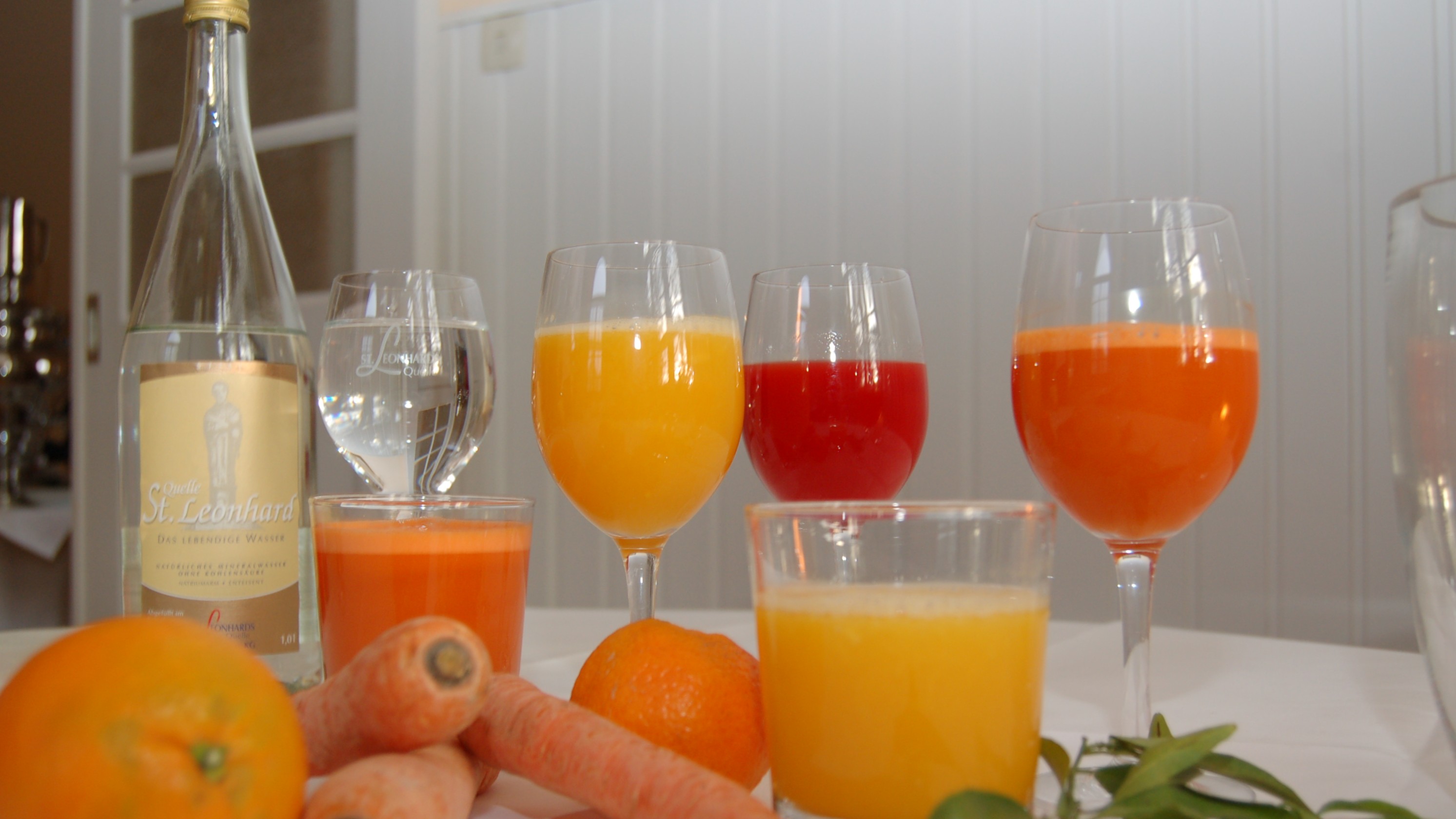
Why juices and vegetable cocktails are proven fasting recipes
Therapeutic fasting consciously relieves the digestive tract. At the same time, the body continues to need vitamins, minerals and secondary plant substances to maintain metabolic processes. Liquid preparations enable exactly this balancing act: They are readily available, barely burden the intestines and yet provide bioactive substances.
Vegetable juices in particular have an alkaline effect, support liver function and contribute to the regulation of acid-base balance. Fruit components, on the other hand, should only be used moderately during fasting, as they contain fructose and stimulate metabolism more strongly. Well-formulated fasting recipes therefore provide micronutrients without unnecessarily burdening the organism — provided that they are deliberately dosed and sensibly integrated into the fasting process.
Three beneficial companions during therapeutic fasting and the set-up phase
The following three fasting recipes come from our organic health kitchen and have proven effective in accompanying fasting over many years. They are easy to prepare, well tolerated and can be used individually depending on the fasting phase — pure, diluted or as part of a complex diet.
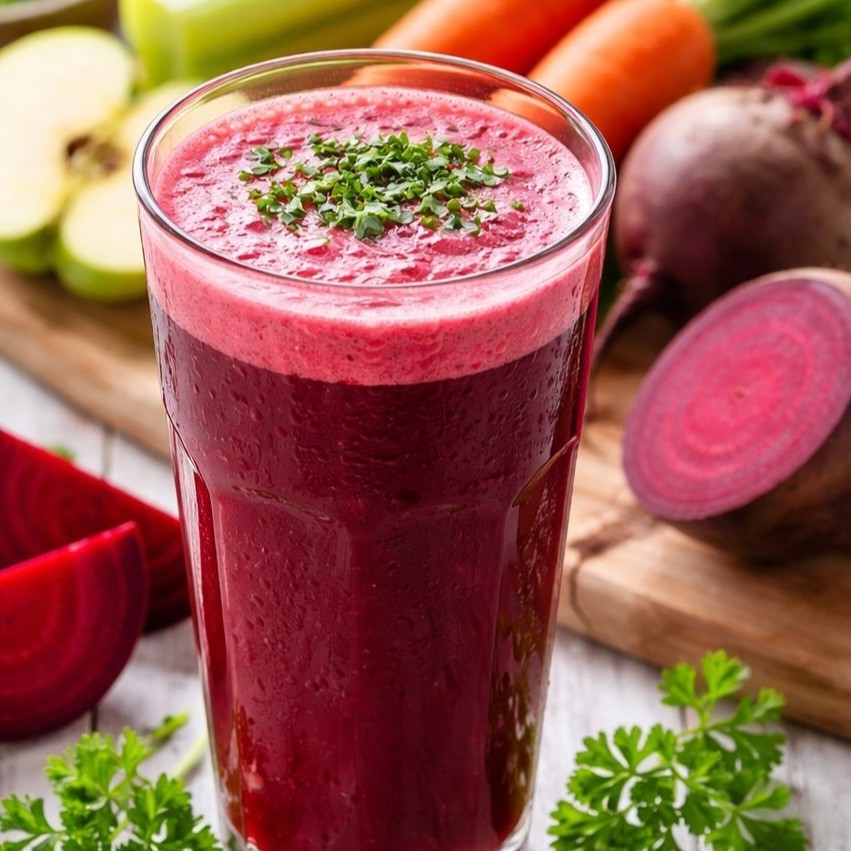
1. Beetroot, Carrot and Celery Vegetable Cocktail
This vegetable cocktail is a Lent classic. The combination of beetroot, carrot and celery stimulates metabolism and supports liver and circulation in particular. Depending on the fasting phase, a small apple can provide mild sweetness without unnecessarily stressing the body.
Ingredients (for approx. 1 liter):
- 4-5 tubers of beetroot
- ½ kg carrots
- 1 cucumber
- 1 stalk of celery
- optional: 1 apple
- some parsley for garnish
Preparation:
Peel the beetroot, wash the carrots thoroughly (they can be used unpeeled) and leave the cucumber unpeeled. Remove the leaves from celery. Juice all ingredients. If you like it milder, you can add apple juice to taste. When serving, garnish with finely chopped parsley.
Technical classification:
Beetroot contains betaine, which can support liver function. Carrots provide beta-carotene, a precursor of vitamin A. Celery has a dehydrating effect and is rich in minerals. This cocktail is particularly suitable for the active fasting phase and should be drunk slowly and consciously.
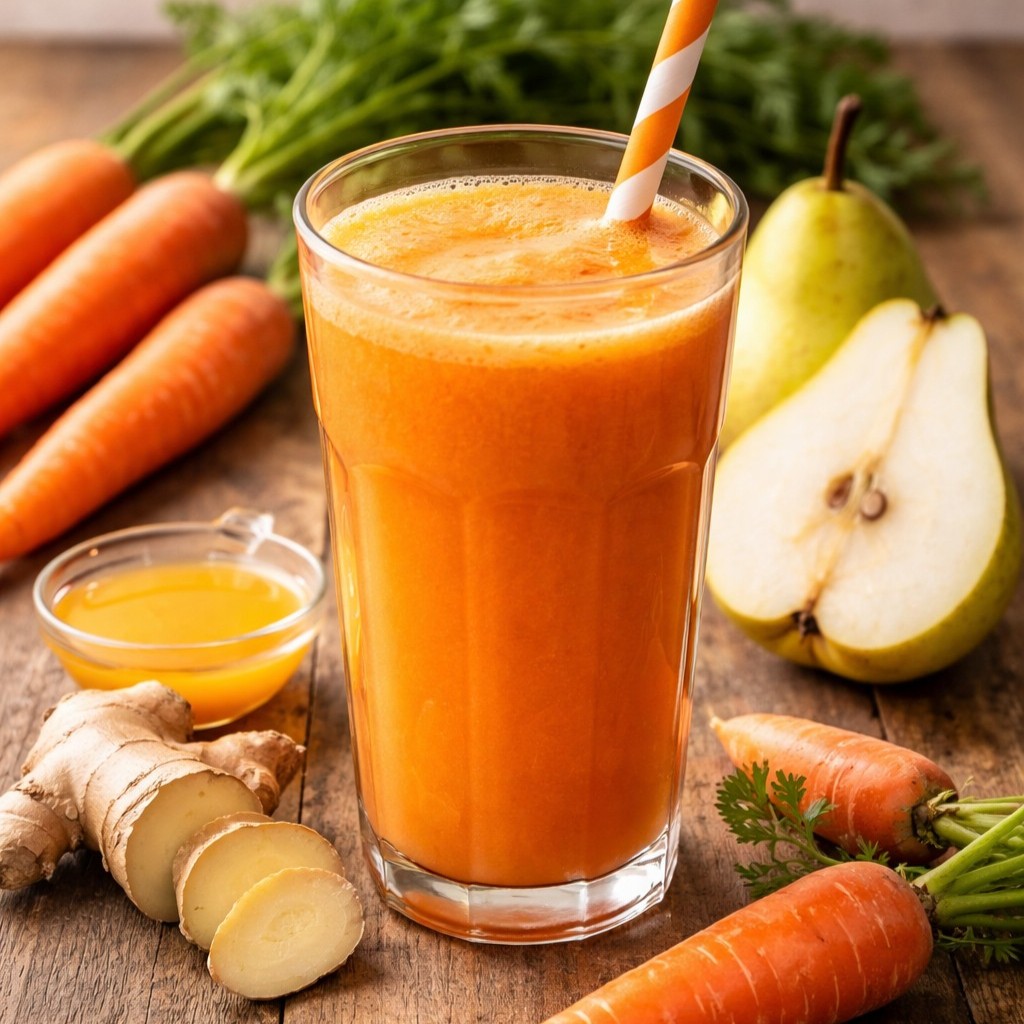
2. vegetable/fruit juice from carrot, pear and ginger
This juice is mild, slightly sweet and easy to digest. It is often used for people who are prone to circulatory problems during fasting or need gentle support. The slight spiciness of ginger promotes blood circulation.
Ingredients (mixing ratio 80:20)
- 80% carrots
- 20% pears
- approx. 1 tablespoon of ginger juice per liter
Preparation:
Juice carrots unpeeled. Wash pears, quarter them, remove the core and juice them as well. Squeeze fresh ginger juice or add organic ginger juice and mix thoroughly.
Technical classification:
Carrots stabilize blood sugar levels, while pears are considered easy to digest and mild. Ginger stimulates digestion and heat generation, but should be used in doses. This juice is ideal for the morning or after light exercise.
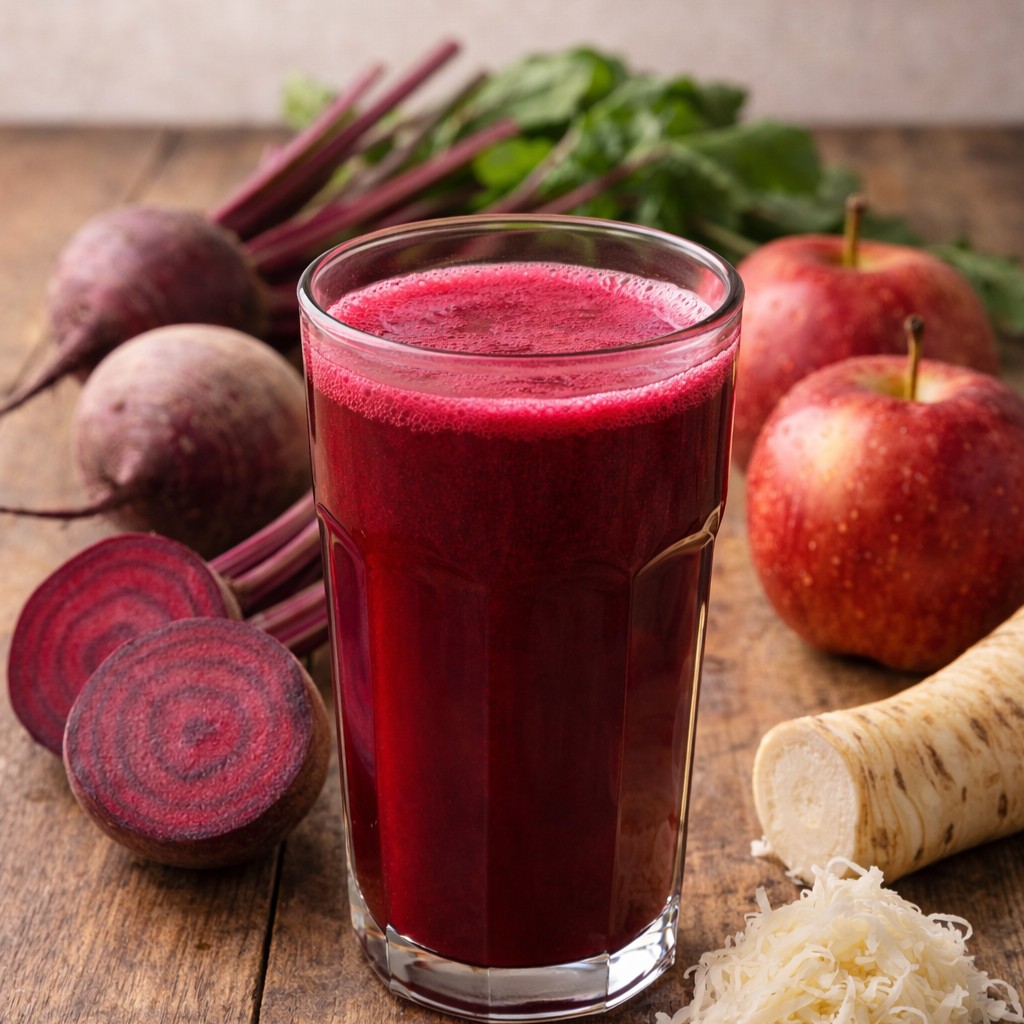
3. “Red Zora” juice made from beetroot, apple and horseradish
This juice has a significantly stronger character. The combination of beetroot and apple is complemented by horseradish, which can strongly stimulate metabolism. Because of its intensity, “Red Zora” is more suitable for experienced fasting people or in small quantities for the set-up phase.
ingredients:
- 60% beetroot
- 40% apple
- 1 pinch of freshly grated horseradish or 1 tsp horseradish juice
Preparation:
Peel the beetroot, wash and quarter the apple. Then juice and mix both. Finally stir in the horseradish.
Technical classification:
Horseradish contains mustard oil glycosides, which have an antibacterial effect and promote blood circulation. Because of its spiciness, you should drink this juice slowly and check its compatibility individually.
Measure and quality of ingredients
All three fasting recipes can be adapted to the respective fasting process. During the pure fasting phase, dilution with water is recommended. In contrast, the juices can be used in a more nutritious diet. The quality of the ingredients and careful treatment of one's own body are decisive. This is precisely why fasting recipes work best when they are embedded in a structured, supervised fasting process. In our organic health kitchen, we prepare these recipes fresh and integrate them into the medically guided fasting process. They are part of an overall concept that sees fasting not as a short-term impulse, but as a conscious step towards greater balance and body awareness.

Birgit Menschel
Fasting is about taking responsibility for your body and health. Anyone who wants to understand and actively implement fasting can benefit from our professional support and clear structures.
Actively organize Lent
The Outpatient fasting course offers a good start and provides an alternative to the classic Fasting holidays at Fastenhotel represent. Medical support, structured meetings and professional exchange create a secure framework — especially for fasting beginners or professionals.
👉 Discover fasting courses now and start Lent consciously!

More articles from our blog
Health tips
Is it enough to fast at home, or is it advisable to book a professionally supervised fasting holiday at a fasting hotel? Find out which framework is right for fasting beginners and professionals and how to ensure effectiveness and safety.