Fasting in summer: The perfect conditions for warmer months
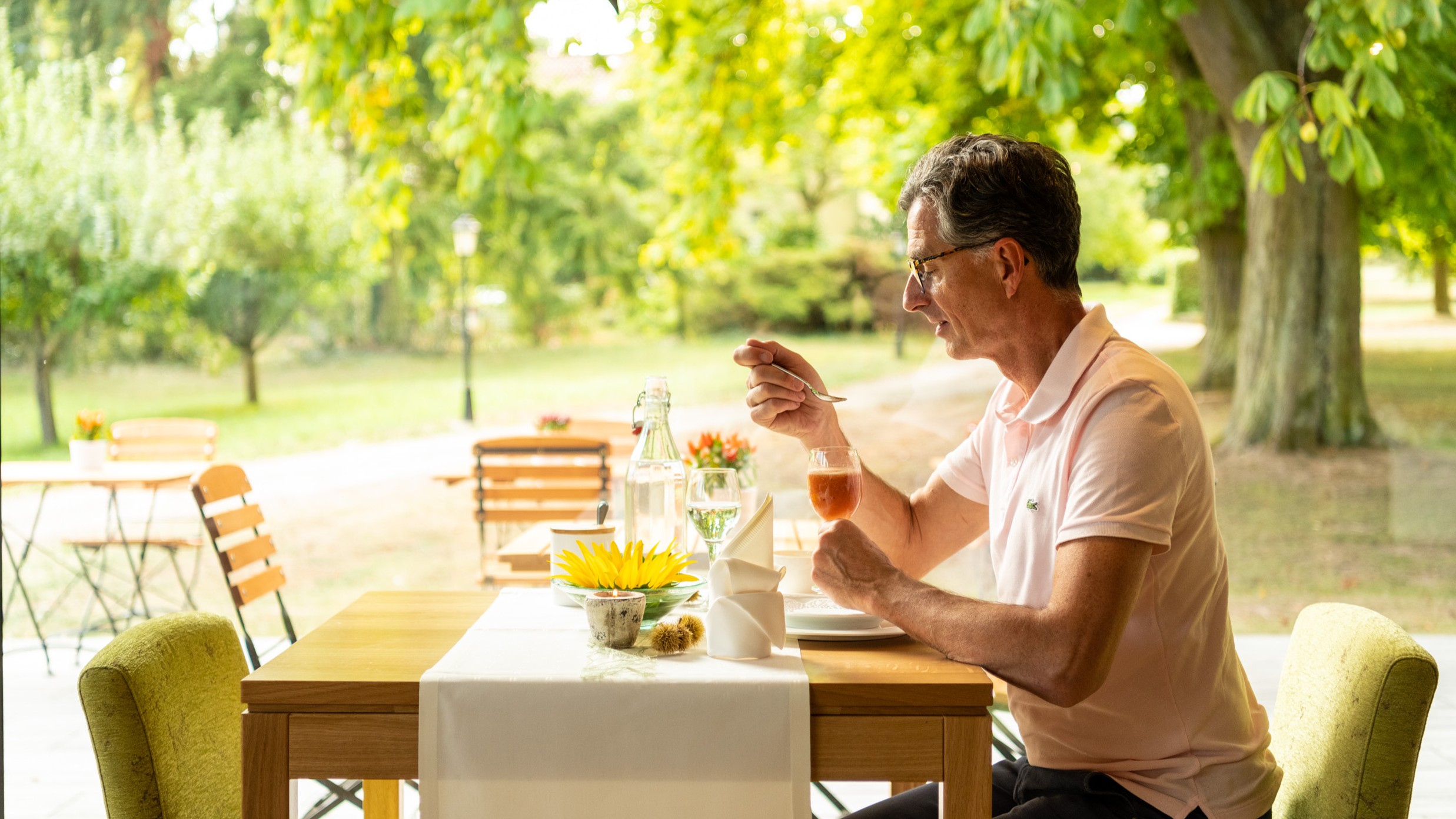
Therapeutic fasting is not tied to any particular season. However, many people find it easier and more pleasant in summer. The combination of warm temperatures, increased thirst and reduced appetite, and longer days spent outdoors creates ideal conditions for summer fasting.
Health tips

24 June 2026

6 Min.
Why is fasting often easier in summer?
One reason is that, in warm temperatures, the body needs to expend less energy on producing heat, so we feel significantly less cold. High temperatures also influence our eating and drinking habits. In summer, we feel less hungry and are more likely to reach for water, cold tea or other thirst-quenching drinks. This is beneficial for therapeutic fasting, where adequate fluid intake plays an important role. Starting a fast and transitioning to a liquid-based diet is easier in summer than in colder months. On warm days, freshly pressed juices, vegetable broths or cold soups are particularly soothing and abstaining from solid food feels less restrictive.
Plenty time outdoors during summer fast
Fasting is not about performance; it's about inner peace and well-being. It allows the body to rest while you stay active. Otto Buchinger recognised the importance of physical activity in a successful fasting regimen.
In summer, there are plenty of opportunities for gentle exercise. Whether you enjoy walking in nature, doing some light gymnastics, swimming a few laps or simply relaxing in the fresh air, all of these activities contribute to your well-being and promote regeneration. The rule always applies: your personal energy level sets the pace.

Fasting in summer is an ideal way to manage your energy levels and strike a balance between activity and rest.
Sunshine lifts your spirits
It's not just your body that benefits from summer. The mind responds to light, nature and outdoor activity, too. Long days and sunny weather boost your mood and promote mental balance. The changes that occur during fasting, such as greater inner peace, improved concentration and more conscious body awareness, can then be experienced particularly intensely.
Refeeding after fasting
Therapeutic fasting includes the fasting days themselves, as well as the subsequent refeeding days. These should last at least three days, gently reintroducing solid food to the digestive system and metabolism. Initially, the menu consists of whole-food, fibre-rich carbohydrates from plant sources, as these are easier to digest. Examples include fruits, vegetables, nuts, seeds and grain products. Animal fats and proteins should be reintroduced slowly and gradually after therapeutic fasting. The warm season offers particularly favourable conditions for this. Fresh tomatoes, courgettes, salads, cucumbers, herbs, stone fruits and berries are now available in abundance.

Our new "Menschels Summer Fasting" package combines Buchinger therapeutic fasting with medical supervision, daily exercise and conscious relaxation in a summer setting. The idyllic surroundings and numerous walking opportunities, as well as the weekly Fit & Relax programme, allow you to make the most of the long days and take your mind off the abstinence from food.
Fasting can be particularly well combined with Felke treatments in summer. Open-air mud baths and refreshing morning sitz baths combine the healing power of nature with therapeutic fasting, ensuring your stay is a truly special experience.
Healing fasting meets summer feeling
Our special offer, 'Menschels Summer Fasting', includes ten days of Buchinger therapeutic fasting alongside selected wellness treatments, a varied programme of exercise and relaxation activities, and an exclusive summer beauty package comprising a 25-minute hydrojet massage and a 50-minute 'Green Beauty' facial treatment. This offer can be booked until 30 August 2026 (the last day of arrival).

More articles from our blog
Health tips
Is it enough to fast at home, or is it advisable to book a professionally supervised fasting holiday at a fasting hotel? Find out which framework is right for fasting beginners and professionals and how to ensure effectiveness and safety.