This breathing technique can help to lower your blood pressure
Sometimes, your body just needs a few minutes to rest and recover.
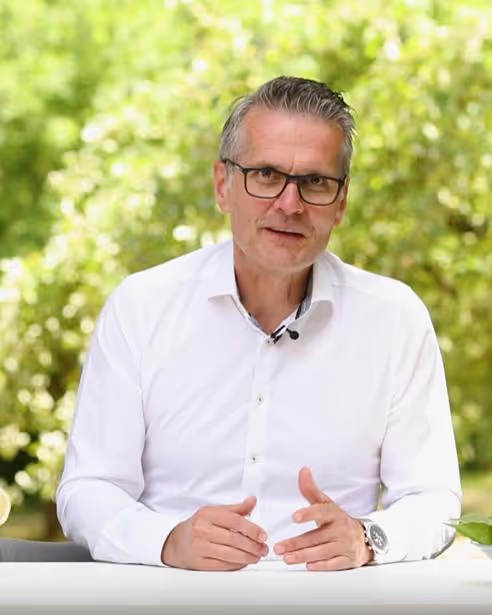
I'm Dr Matthias Menschel, and today I'd like to introduce you to a simple breathing technique that can naturally regulate your blood pressure and calm your nervous system.

July 27, 2026

6 Min.
Why conscious breathing is so effective
Our breathing influences numerous bodily functions, often without us even noticing. When we breathe slowly and consciously, the brain sends relaxation signals to the whole body.
In particular, prolonged exhalation activates the parasympathetic nervous system, which is responsible for rest, regeneration and recovery. As the body and mind relax, the heart rate and blood pressure decrease.
4–6 breathing technique
You can bring more calm into your everyday life with this simple breathing technique:
Inhale for four seconds through your nose, then exhale slowly through your slightly open mouth for six to eight seconds.
Keep your shoulders relaxed and breathe calmly into your belly – your body will react after just a few minutes. Your heart rate and blood pressure will drop, your digestion will be stimulated and your nervous system will switch from stress mode to relaxation mode.
The best part is that you can do this exercise anywhere – at home, in the office or on the go.
Benefits and effects of the breathing exercise
- Lowering blood pressure
- Calming the pulse
- Reducing stress
- Promoting digestion
- Relaxing the nervous system
- Increasing inner peace
Practical tip
Set aside five minutes each day for this breathing exercise. It is more important to be consistent than to be perfect. Just a few minutes of mindful breathing can help to restore your physical and mental balance.
Find out more in our blog post "Stress management through conscious breathing".
Please note: This breathing technique is not a substitute for medical treatment for chronic high blood pressure. However, it can be a useful addition to your treatment and help you manage your daily life more easily.
For more health tips, follow Menschel's Moments. Your Dr. Matthias Menschel

FAQ
What are burnout symptoms?
What do the treatments at Menschels Vitalresort look like?
Cardiovascular check
From our blog
Health tips
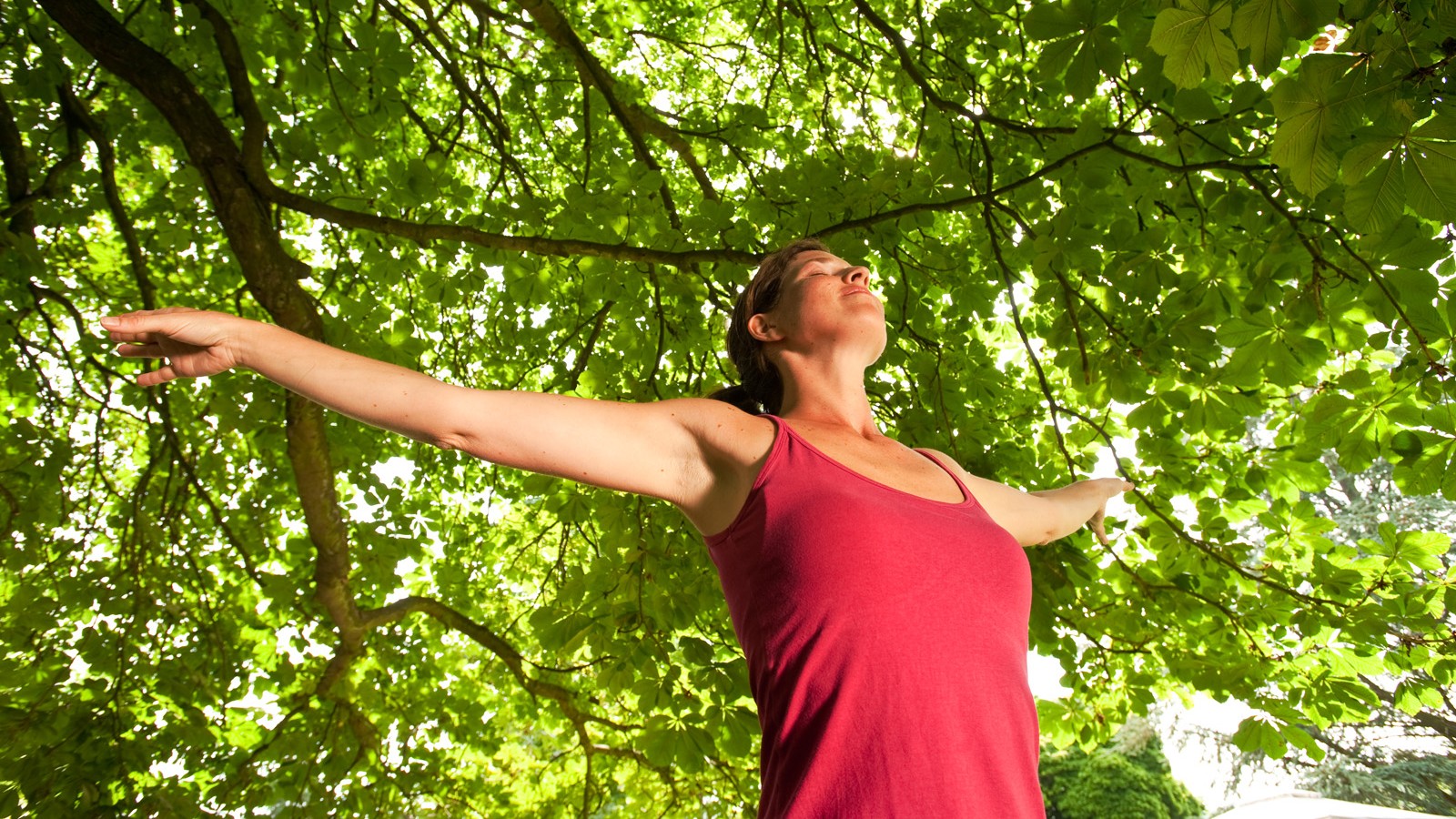
Stress management through conscious breathing
Breathing exercises have been an integral part of Felke therapy for over 100 years. Even then, the connection between stress and symptoms such as shallow breathing, tense shoulders and heightened physical alertness was recognised. Pastor Felke therefore made conscious breathing a key part of his natural healing method. This simple technique can calm the nervous system and aid recovery.