Taking a micro-break will boost your productivity
"Ten minutes, no phone, and you're back to your usual self."
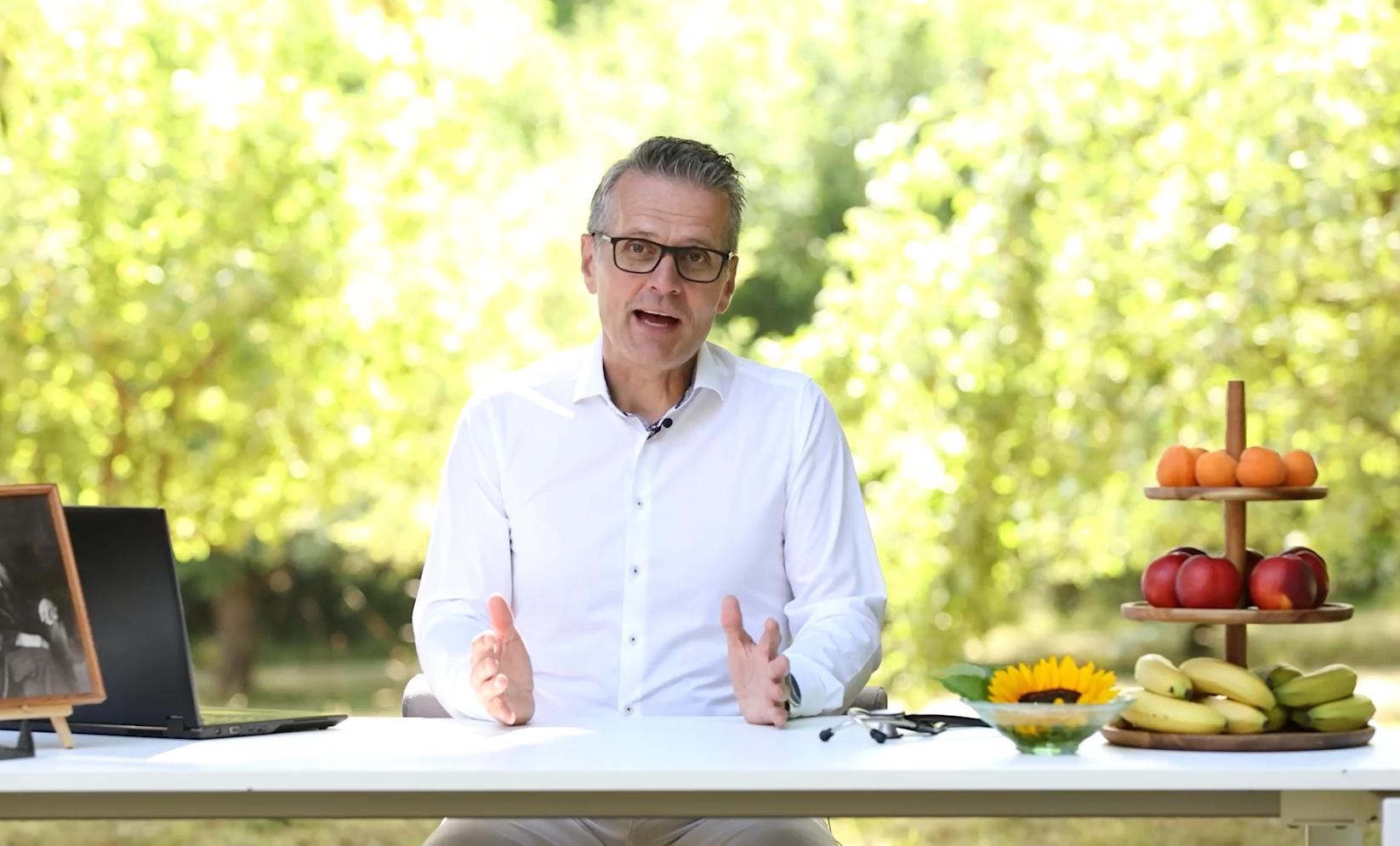
My name is Dr Matthias Menschel. Did you know how effective and powerful micro-breaks can be?

September 14, 2026

6 Min.
Why making breaks productive
Being productive doesn't mean working for as long as possible without interruption. When you're highly focused, juggling many appointments or constantly exposed to new stimuli, your brain needs periods of relaxation where it doesn't have to process any further information.
Even a short intentional break can help reduce stress levels and allow you to return to your work with renewed focus.
It is important that the break does not transition directly into the next task. Activities such as reading the news, scrolling through social media or answering emails continue to provide new stimuli, so a true micro-break means no phone, no input and no new tasks.
Take a 10-minute break to recharge your batteries
A micro-break doesn't have to be complicated or take a long time. Just ten minutes can be enough to consciously switch out of work mode. You can get your body moving with a short walk, loosen up tense muscles with some gentle stretching, and help soothe your autonomic nervous system with calm breathing.
A targeted breathing exercise involving a prolonged exhalation is particularly helpful. Exhaling for longer than inhaling activates the parasympathetic nervous system, which is responsible for rest and recovery. Therefore, even a short break can help to reduce stress and subsequently improve your mental performance.
Therefore, regular micro-breaks are not a waste of time. Used correctly, they can help you approach your next task with renewed focus, attention and energy.
Benefits and impact at a glance
- Less stress
- Better focus
- Mental recovery
- Relaxed muscles
- Renewed energy
- Increased performance
Pro tip
Before your next big task, consciously schedule a ten-minute break . Put your phone out of reach and then either go for a short walk, do some stretching exercises, or focus solely on your breathing.
Also, read our blog post "How to support your gut microbiome after antibiotics and stress".
For more health tips, follow Menschels Momente. Best wishes, Dr Matthias Menschel.

FAQ
What are burnout symptoms?
How do I react when there are signs?
Determine your vitality profile
From our blog

Health tips
Restoring your gut flora: How to support your microbiome after antibiotics and stress
Poor eating habits, as well as factors such as antibiotics, stress or gastrointestinal infections, can disrupt the delicate balance of your gut flora. It can take several weeks for the microbiome to recover. Find out how you can actively support your gut in restoring its natural balance, and discover why a health retreat is the perfect place to do so.